
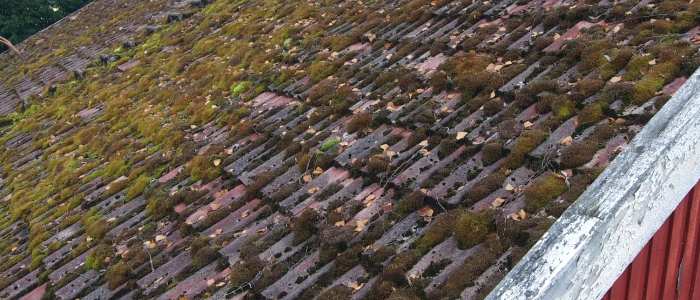
Your roof is the first line of defense protecting your home from rain, heat, wind, and storms. Whether it is made of asphalt shingles, clay tiles, slate, or metal, the roofing system is designed to keep moisture out and protect the structure beneath.
However, there is a silent threat that many homeowners overlook: moss growth.
At first glance, moss may look harmless even charming. The green patches growing on your roof can give your home a rustic or aged appearance. But in reality, moss can slowly damage your roof, trap moisture, weaken materials, and significantly reduce the lifespan of your roofing system.
Understanding why moss grows, how it damages roofs, and how to remove it safely is essential for protecting your home.
Why Moss Grows on Roofs
Moss belongs to a group of plants called bryophytes. Unlike normal plants, moss does not have roots. Instead, it uses tiny structures called rhizoids to attach itself to surfaces like roof shingles.
Because moss doesn’t need soil, it can grow almost anywhere that has moisture and shade.
Common Conditions That Cause Moss Growth
Several environmental factors make a roof perfect for moss:
1. Shade from trees
Roofs that are shaded by large trees stay damp for longer periods. Without direct sunlight, moisture does not evaporate quickly.
2. Poor sunlight exposure
North-facing roof sections receive less sunlight, making them a prime area for moss growth.
3. Organic debris buildup
Leaves, pollen, and small branches accumulate on roofs. Over time they decompose and create a thin organic layer that moss can grow on.
4. Poor roof ventilation
Insufficient attic ventilation keeps the roof surface cooler and damp, encouraging moss growth.
Which Roofing Materials Are Most Vulnerable
Different roofing materials react differently to moss growth.
| Roofing Material | Moss Risk Level | Why |
|---|---|---|
| Asphalt Shingles | Very High | Granular texture traps moisture and spores |
| Wood Shakes | Critical | Natural fibers absorb moisture |
| Clay / Concrete Tiles | High | Moss grows in seams and overlaps |
| Metal Roofing | Low | Smooth surface prevents attachment |
| Slate | Moderate | Moss grows on debris accumulation |
Even metal roofs, which are generally resistant, can develop moss if organic debris accumulates on the surface.
How Moss Damages Your Roof
Moss does far more than create an unattractive appearance. Over time it can cause serious structural damage.
Moss Traps Moisture
Moss acts like a sponge. It can hold multiple times its weight in water.
Instead of rainwater flowing off the roof, moss holds moisture against the shingles. This constant moisture exposure causes:
- Shingle deterioration
- Wood rot beneath roofing layers
- Mold growth
- Algae infestation
A common algae species associated with roof damage is Gloeocapsa magma, which creates dark streaks and accelerates shingle aging.
Shingles Lift and Curl
As moss grows thicker, it wedges itself under the edges of shingles.
This causes:
- Shingle lifting
- Warping and curling
- Broken adhesive seals
Once shingles lift, wind-driven rain can penetrate beneath them, causing roof leaks and interior water damage.
Loss of Protective Granules
Asphalt shingles contain protective ceramic granules that shield the asphalt layer from UV radiation.
When moss is removed especially improperly it often pulls these granules off with it.
Without this protection:
- UV rays damage the asphalt
- Shingles become brittle
- Cracks and leaks form
A roof designed to last 30 years may fail in 15 years or less if moss damage is severe.
How to Remove Moss from a Roof
Removing moss requires a careful approach. Using the wrong method can cause more damage than the moss itself.
Chemical Treatments
Chemical treatments are one of the most effective ways to kill moss.
Chlorine Bleach Solution
The Asphalt Roofing Manufacturers Association recommends a simple solution:
- 50% liquid chlorine bleach
- 50% water
Application method:
- Spray the solution on the moss using a low-pressure sprayer
- Allow it to sit for 15–20 minutes
- Rinse gently with water
Important: Bleach can damage plants and corrode metal roof components. Always protect surrounding vegetation before applying.
Oxygen Bleach (Eco-Friendly Option)
Oxygen-based cleaners use hydrogen peroxide to break down moss.
Benefits include:
- Safer for plants and pets
- Non-corrosive to metal
- Environmentally friendly
The downside is that they often work more slowly and may require light scrubbing.
Spray-and-Forget Treatments
Some products use biocides that gradually kill moss over time.
These treatments:
- Require minimal labor
- Continue working for months
- Prevent new spores from growing
Moss slowly turns brown and eventually falls off naturally with rain and wind.
Mechanical Moss Removal
For thick moss growth, manual removal may be necessary.
Safe Removal Method
- Use a soft-bristle brush or broom
- Gently brush downward toward the roof edge
- Never brush upward (this pushes debris under shingles)
Avoid using metal tools, which can scrape off protective granules.
Why Pressure Washing Is a Bad Idea
Many homeowners try pressure washing to remove moss quickly.
This can cause severe roof damage.
High-pressure water can:
- Strip shingle granules
- Force water under shingles
- Damage waterproof layers
- Void roof warranties
Major roofing manufacturers like GAF and IKO Industries warn against pressure washing shingles.
Preventing Moss Growth
The best way to deal with moss is preventing it from growing in the first place.
Install Zinc or Copper Strips
Metal strips placed along the roof ridge slowly release metal ions during rainfall.
These ions prevent moss spores from growing.
Benefits:
- Long-lasting protection
- Minimal maintenance
- Can work for 15–20 years
Trim Nearby Trees
Allowing sunlight to reach your roof helps dry moisture quickly.
Aim for at least six hours of direct sunlight per day.
Clean Your Roof Regularly
Removing leaves and debris twice per year prevents organic buildup that moss needs to grow.
A simple leaf blower can keep your roof clean and dry.
DIY vs Professional Roof Cleaning
Many homeowners consider cleaning moss themselves to save money.
Here’s how the options compare:
| Factor | DIY Cleaning | Professional Service |
|---|---|---|
| Cost | Low | Moderate |
| Safety Risk | High | Low |
| Cleaning Quality | Variable | Professional |
| Long-Term Protection | Limited | Better |
Professional roof cleaning typically costs $300–$1000, but it reduces the risk of roof damage or personal injury.
Final Thoughts
Moss may seem like a harmless patch of greenery on your roof, but over time it can become one of the most destructive forces affecting residential roofing systems. By trapping moisture, lifting shingles, and weakening protective materials, moss can significantly shorten the life of your roof and lead to costly repairs.
The key to protecting your home is early detection and proactive maintenance. Regular roof inspections, proper debris removal, and improving sunlight exposure can greatly reduce the risk of moss growth. When moss does appear, using safe removal methods and applying preventive treatments such as zinc or copper strips can keep your roof clean and functional for years.
Ultimately, your roof is a major investment in your home’s structure and value. Taking the time to manage moss growth properly ensures that your roofing system continues to provide the protection and durability it was designed for.