
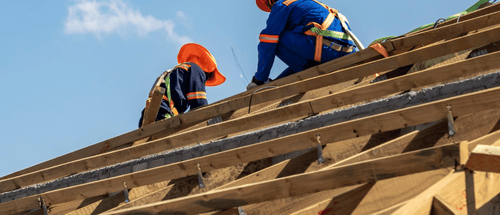
Metal roofing has become one of the most reliable and long-lasting roofing options for homeowners in North Richland Hills, Texas. If you’re looking for a roof that combines durability, energy efficiency, and visual appeal, metal roofing is an excellent choice. However, attaching metal roofing correctly is key to preventing leaks, rust, and costly repairs. In this guide, we’ll provide a step-by-step, detailed approach to attaching metal roofing, including preparation, tools, materials, installation techniques, and finishing steps.
Metal roofing can last 40 to 70 years, is resistant to high winds, reflects heat to reduce cooling costs, and requires minimal maintenance. With careful planning, attention to detail, and the right techniques, you can either install it yourself or supervise professional installation to ensure your roof stands the test of time.
Step 1: Prepare Your Roof Surface
Preparation is the foundation of a successful metal roofing project. Whether installing over shingles, plywood, or a new structure, proper prep ensures durability, water resistance, and a smooth installation process.
Inspect the Roof
- Over Shingles: Ensure all shingles are intact, secure, and free of rot. Replace any damaged or loose shingles before installation. Check for uneven surfaces, as high spots can damage metal panels over time.
- Over Plywood: Inspect for soft spots, rot, or water damage. Replace compromised plywood sections. Ensure the decking is level and firmly attached to roof framing.
- New Roof: Check the framing for structural integrity. Roof pitch should be at least 3:12 (3 inches rise for every 12 inches run) to allow proper water drainage.
Tip: In North Richland Hills, storms can bring high winds. Ensuring a solid roof base prevents panel lifting during severe weather.
Install Underlayment
Underlayment provides moisture protection and improves the longevity of your metal roof.
- Use synthetic underlayment for maximum durability or traditional felt underlayment for budget-friendly options.
- Roll it out across the roof surface, overlapping sheets by 3–4 inches.
- Secure with roofing nails or staples, ensuring it is tight and wrinkle-free.
- If using shingles underneath, consider installing furring strips to level uneven areas and improve airflow beneath metal panels.
Safety Preparations
- Always wear gloves, non-slip shoes, safety harnesses, and eye protection.
- Keep a first-aid kit and phone handy in case of emergencies.
- Be cautious when working near power lines or steep slopes.
Step 2: Select the Right Metal Roofing Panels
Choosing the right panels and materials is crucial for both appearance and functionality.
Types of Panels
- Standing Seam Panels: Vertical panels with interlocking seams. They are sleek, durable, and provide excellent water resistance. Ideal for modern homes.
- Corrugated Panels: Wavy sheets commonly used for garages, sheds, and barns. Easier to install but slightly less refined than standing seam.
- Metal Shingles: Resemble asphalt shingles but offer superior longevity and resistance to wind and hail.
Material Options
- Steel: Affordable, durable, and coated for rust protection. Often comes pre-painted or Galvalume-coated.
- Aluminum: Lightweight and corrosion-resistant, excellent for areas prone to humidity or rainfall.
- Copper: Expensive, visually striking, and develops a natural patina over time.
- Zinc: Flexible, moldable, and naturally resistant to weathering.
We recommend choosing a material suited to North Richland Hills’ climate, withstanding high winds, sun, and occasional hail.
Step 3: Measure and Cut Metal Panels
Accurate measurements prevent gaps, leaks, and waste.
Measuring Your Roof
- For gable roofs, multiply rake length by width (eave to eave) to calculate the area for one side. Double it for both sides.
- Measure skylights, dormers, or chimneys separately.
- Add 10% extra material for cutting errors and overlap.
Cutting Panels
- Use a metal-cutting circular saw or snips designed for metal panels.
- Wear gloves and eye protection; edges are razor-sharp.
- Cut slightly oversized and trim after placement for precise fit.
- Label each panel according to placement to avoid confusion during installation.
Step 4: Install Drip Edge and Flashing
Drip edges and flashing prevent water damage at roof edges, valleys, and protrusions.
Drip Edge Installation
- Start at the lower edge corner and align along the perimeter.
- Overlap pieces by 2–3 inches and secure every 12–16 inches with screws.
- Ensure tight contact with underlayment to prevent leaks.
Flashing Installation
- Install around chimneys, vents, roof valleys, and skylights.
- Cut to size, fit snugly, and secure with screws.
- Apply roofing sealant beneath edges for added protection.
- Ensure proper overlap of flashing with adjacent metal panels to avoid water intrusion.
Step 5: Attach Metal Panels
Proper panel installation is critical for durability and water resistance.
Panel Placement
- Begin at the bottom edge, working upward.
- Ensure a slight overhang over eaves to direct water into gutters.
Securing Panels
- Use metal roofing screws with rubber washers.
- Place screws at each ridge or rib, following spacing guidelines (12–18 inches).
- Ensure panels are straight using a chalk line or level.
Overlap and Alignment
- Corrugated panels: overlap by one ridge for water-tightness.
- Standing seam panels: snap interlocking seams together.
- Check alignment frequently to prevent gaps and ensure proper drainage.
Tip: Avoid over-tightening screws; it can damage washers and cause leaks. Under-tightening can allow water intrusion.
Step 6: Install Ridge Cap and Closure Strips
Ridge caps and closure strips protect the roof peak and panel ends from water and debris.
Ridge Cap Installation
- Place the ridge cap along the roof peak, covering panel seams.
- Secure with screws every 12–16 inches.
- Apply a bead of sealant along the edges to prevent leaks.
Closure Strips
- Insert inside closure strips at eaves under panels.
- Apply adhesive or sealant along the top for added protection.
- Outside closures at the ridge prevent pests, debris, and moisture from entering.
Step 7: Install Gutters, Snow Guards, and Heat Cables (Optional)
For maximum protection and performance:
Rain Gutters
- Install brackets every 24 inches along eaves.
- Attach gutters and seal all joints.
- Ensure slight slope for water flow toward downspouts.
Snow Guards (Optional for Snow-Prone Areas)
- Place above doorways or entry points.
- Secure evenly with screws and seal around the base.
- Prevents snow avalanches from damaging property or causing injury.
Heat Cables
- Install in valleys or along eaves to prevent ice dams.
- Secure with clips and connect to a grounded power source.
Step 8: Finishing Touches and Inspection
Inspect Your Work
- Check all screws, seals, and alignment.
- Ensure no gaps or loose panels.
- Clear debris and verify proper water drainage to gutters.
Maintenance Tips
- Inspect twice yearly, especially after storms.
- Tighten loose screws and reapply sealant if needed.
- Keep gutters clean to avoid water backup.
Step 9: Safety and Professional Tips
- Always work with a partner.
- Avoid installing in wet or windy conditions.
- Follow manufacturer instructions for panel spacing, fasteners, and sealants.
- Consult a professional for complex roof shapes or very high roofs.
Step 10: Benefits of Properly Attached Metal Roofing
When installed correctly in North Richland Hills, metal roofing offers:
- Longevity: Lasts 40–70 years with minimal maintenance.
- Energy Efficiency: Reflects heat, reducing cooling costs.
- Weather Resistance: Resists wind, hail, and rain.
- Aesthetic Appeal: Modern, sleek, and versatile design options.
- Sustainability: Many metal panels are recyclable.
FAQs
How long does it take to attach metal roofing on a standard house?
The time to attach metal roofing depends on roof size, panel type, and prep work. For an average single-story house in North Richland Hills, it usually takes 3–5 days for a professional crew to complete properly.
Can I attach metal roofing over existing shingles?
Yes, you can install metal roofing over shingles if the underlying roof is in good condition. Ensure proper underlayment, optional furring strips, and careful panel placement to maintain durability, prevent leaks, and extend your roof’s lifespan.
What tools do I need to attach metal roofing?
Essential tools include a drill, metal snips or saw, roofing screws with rubber washers, chalk line, tape measure, safety harness, and gloves. These tools ensure panels are aligned, securely fastened, and the roof is leak-resistant.
How do I prevent leaks when attaching metal roofing?
Prevent leaks by using proper underlayment, correctly spaced screws with rubber washers, sealed flashing around vents, drip edges, and ridge caps. Regular inspection and sealing critical areas ensure your metal roof remains fully water-tight in North Richland Hills weather.
Final Thoughts
Learning how to attach metal roofing properly ensures your investment protects your home for decades. From preparing the roof surface, selecting panels, installing underlayment, fastening screws, to adding finishing components, each step contributes to a durable, energy-efficient, and visually appealing roof.
Whether tackling a DIY project or overseeing professional installation in North Richland Hills, following this detailed guide ensures your roof stands up to storms, reflects solar heat, and provides long-term value. Properly attached metal roofing is not just a functional upgrade—it’s a smart, sustainable choice for protecting your home and increasing its market value.
With careful attention to preparation, safety, and installation details, you can rest assured your metal roof will keep you and your family safe and comfortable for decades to come.