
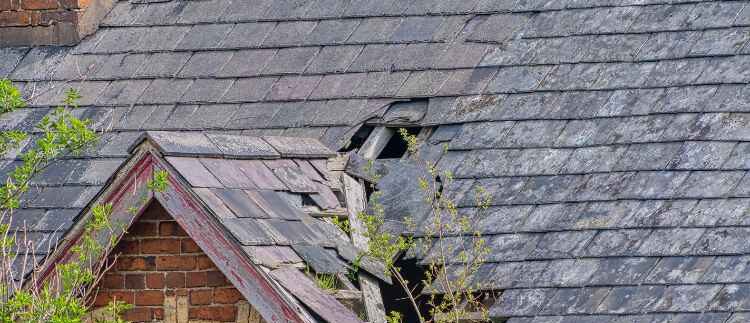
When it comes to maintaining, repairing, or upgrading your home, understanding your roof is essential. One of the most important aspects of your roof is its pitch, which determines the slope of your roof and influences both aesthetics and functionality. If you are wondering how to figure a roof pitch, we’re here to guide you step by step, providing practical tips, techniques, and tools to measure it accurately.
Knowing the pitch of your roof is not just a technical detail—it can help you choose the right roofing material, estimate installation costs, and even add value to your home with decorative accents. Let’s dive in and learn everything you need to measure your roof pitch safely and accurately.
What Is Roof Pitch?
Before we discuss how to figure a roof pitch, it’s important to understand what roof pitch actually means. The pitch of a roof is the measure of its steepness. It tells us how many inches the roof rises vertically for every 12 inches it runs horizontally.
For example:
- A 6/12 pitch means the roof rises 6 inches for every 12 inches of horizontal run.
- A 10/12 pitch means the roof rises 10 inches for every 12 inches of run.
Here, rise refers to the vertical height, and run refers to the horizontal distance. Pitch can also be expressed as a percentage or in degrees, but for practical purposes, most homeowners use the ratio format like 4/12, 7/12, or 9/12.
Knowing the pitch is crucial because it affects the type of roofing materials you can use, the installation cost, and the water drainage efficiency of your roof. Steeper roofs shed water faster, while flatter roofs may require special materials to avoid leaks.
Why Roof Pitch Matters
Understanding your roof pitch is not just for contractors—you as a homeowner benefit greatly from knowing it:
- Material Selection: Not every roofing material is suitable for every slope. Asphalt shingles require at least a 2/12 pitch, wood shingles need 5/12 or higher, and slate tiles perform best on steep slopes.
- Installation Costs: Steeper roofs are harder and riskier to work on, which increases labor costs. Measuring the pitch accurately can help you plan your budget.
- Home Design: Decorative elements like gables, dormers, or cedar accents require knowledge of the exact pitch to fit correctly.
- Safety: Measuring pitch incorrectly can lead to improper installations, water leaks, or roof damage over time.
By taking the time to figure out your roof pitch, you ensure that your roof is safe, functional, and visually appealing.
How to Figure a Roof Pitch: 5 Practical Methods
There are several ways to measure your roof pitch. Depending on your comfort level, you can measure from the roof exterior, the attic, or even with technology.
Method 1: Using a Tape Measure and Level
One of the simplest and most accurate ways is to use a tape measure and a level. Here’s how:
- Climb safely to the edge of your roof with a ladder or stand on a safe platform.
- Place the level horizontally along the roof edge, ensuring the bubble is centered.
- Measure 12 inches along the level (this is your run).
- At the 12-inch mark, measure straight down to the roof surface (this is your rise).
Example: If the tape measures 7 inches from the level to the roof, your roof pitch is 7/12.
Tip: Always form a 90-degree angle between the tape and the level for the most accurate measurement.
Method 2: Using a Builder’s Square
A builder’s square adds precision, especially if you cannot safely access the roof.
- Place the builder’s square so that one edge runs along the roofline.
- Adjust the square until the level along the vertical edge shows perfectly vertical.
- Measure the rise at 12 inches from the intersection of the square.
This method is particularly helpful for DIY homeowners who want accuracy without stepping on the roof.
Method 3: Measuring from the Attic
If climbing onto your roof feels unsafe, you can measure from inside your attic.
- Place a level along the base of the rafter.
- Use clamps to hold the level horizontally and mark a 12-inch run.
- Measure straight down from the 12-inch mark to the underside of the rafter (this is the rise).
This method is safer and works well if your attic has exposed rafters.
Method 4: Using a Roof Pitch Chart
A roof pitch chart is a simple visual tool for approximating roof pitch:
- Print a pitch chart showing multiple slopes (make sure it’s to scale).
- At the peak of the roof, match the printed triangle with the slope of your roof.
- Fold or overlay the chart to see which ratio fits your roof.
While less precise than direct measurement, a pitch chart is helpful for a quick check, especially if you cannot access the roof or attic.
Method 5: Using Smartphone Apps
There are apps available for both Apple and Android devices that can estimate roof pitch using your phone’s internal gyroscope.
- Place the phone along the roofline.
- The app will calculate the angle of the slope.
Caution: This should only be used as an estimate. Always confirm with a physical measurement before purchasing materials or decorative elements.
Standard Roof Pitch Ranges
While every roof is unique, most roofs fall within these general ranges:
- Flat roof: Less than 2/12
- Low-pitched roof: 2/12 – 4/12
- Conventional roof: 4/12 – 9/12
- Steep slope roof: Greater than 9/12
Understanding your roof type helps in selecting materials, estimating costs, and planning maintenance.
How Roof Pitch Affects Costs
Roof pitch not only influences your roofing material choice but also the cost of installation.
- Steep roofs: Harder to walk on, requiring extra safety equipment and labor time.
- Larger surface area: Steeper roofs increase the total square footage, leading to more material usage.
As a rule, the higher the pitch, the higher the cost. By accurately measuring your pitch, you can plan your budget and avoid unexpected expenses.
Choosing Roofing Materials Based on Pitch
Knowing how to figure a roof pitch helps you choose the right material:
- Metal roofing (excluding standing seam): 1/12 or greater
- Asphalt shingles: 2/12 or greater
- Slate, clay, concrete tiles: 4/12 or greater
- Wood shingles: 5/12 – 12/12
Using incompatible materials on a low-pitched roof may result in leaks or voided warranties. Always consult with your contractor before making final decisions.
Safety Tips for Measuring Roof Pitch
Safety should always come first:
- Always use a stable ladder on level ground.
- Have someone hold the ladder while you measure.
- Wear non-slip shoes and avoid measuring during wet or windy conditions.
- Consider measuring from the attic if you’re uncomfortable climbing on the roof.
If in doubt, hire a professional to measure for you. It ensures accuracy and prevents accidents.
Tools You May Need
- Tape measure
- Level
- Builder’s square
- Clamps
- Roof pitch chart (optional)
- Smartphone app (optional)
By combining the right tools with accurate techniques, you can figure your roof pitch efficiently and safely.
FAQs
How do I measure roof pitch without climbing on the roof?
You can measure roof pitch safely from the attic using a level, tape measure, and rafter. Place the level along the base of the rafter, mark a 12-inch run, and measure down to get the rise.
Can I use a smartphone app to determine roof pitch?
Yes, apps on Android or Apple devices estimate roof pitch using internal sensors. However, these are approximate, and we recommend confirming with a physical measurement for accuracy before ordering materials.
Why is roof pitch important for choosing materials?
Roof pitch determines water runoff efficiency. Low-pitched roofs need materials like metal or specialized shingles to avoid leaks, while steep roofs allow for shingles, tiles, or cedar, ensuring long-lasting protection.
What is a typical roof pitch for homes?
Most homes have a pitch between 4/12 and 9/12. Low-pitched roofs are 2/12–4/12, steep roofs exceed 9/12, and flat roofs are below 2/12. Understanding this helps in material selection and cost estimation.
final Thought
Understanding how to figure a roof pitch is essential for every homeowner. The pitch affects not only the type of roofing materials you can use but also the safety, durability, and cost of your roof. By using simple tools like a tape measure, level, or builder’s square—or even a smartphone app—you can measure accurately from the roof, attic, or with charts. Knowing your roof’s slope helps you make informed decisions about repairs, replacements, or decorative additions, ensuring long-term protection and curb appeal. Take the time to measure correctly, and your roof will serve you safely for years to come.